
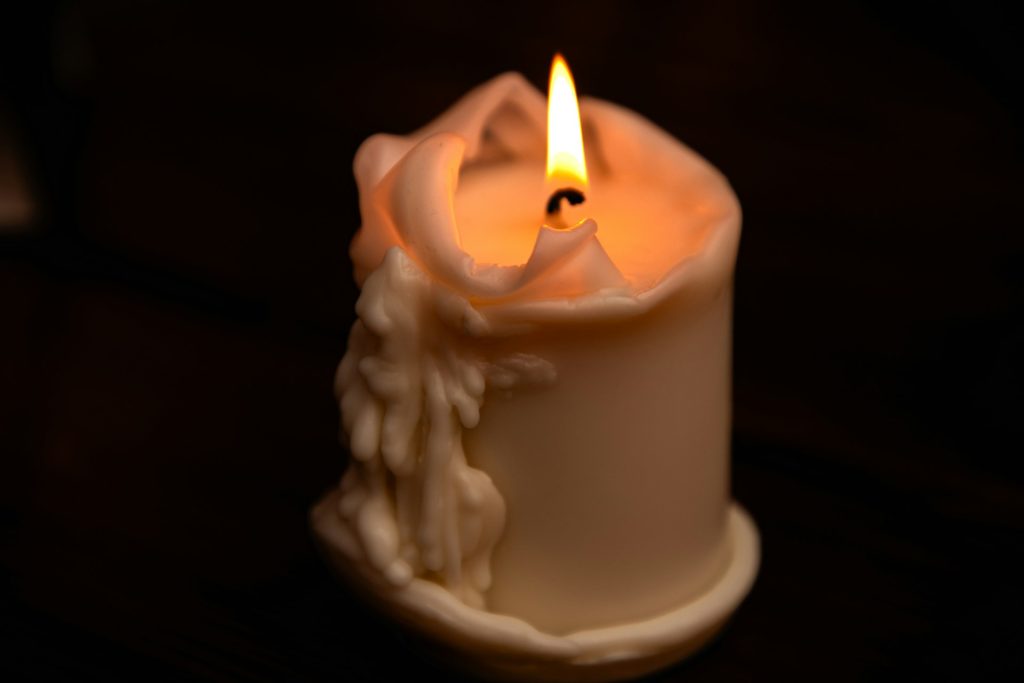
Candles have a way of changing a room. They make dinners feel warmer, quiet evenings feel calmer, and ordinary moments feel a little more special. A handmade ceramic candle holder adds another layer to that experience. It’s functional, durable, and unlike anything you’ll find in a shop.
A candle holder is also a good first pottery project. It doesn’t require advanced throwing skills and can be made using simple handbuilding techniques such as pinch pots or slab building.
Before you begin, decide what kind of candle the holder is for. A tealight needs a shallow recess that’s slightly larger than the metal cup. Pillar candles require a wider, stable base, while glass container candles simply need a flat platform that can support the weight of the jar.
Stoneware clay is usually the best choice because it’s strong and suitable for everyday use. Earthenware works as well, although it’s generally more porous and slightly less durable. Whatever clay you choose, wedge it properly before shaping to remove air pockets and create an even consistency.
Keep the design simple. Clean lines and balanced proportions often look better than adding unnecessary decoration. If you’d like extra texture, use wooden tools, ribs, or natural materials to press subtle patterns into the clay while it’s still soft.
Allow the piece to dry slowly until it reaches the leather-hard stage. This is the best time to refine the edges, smooth the surface, or carve small details. Rushing the drying process is one of the most common reasons ceramic pieces crack before firing.
After the bisque firing, you can glaze the holder or leave parts of the natural clay exposed. Satin and matte glazes work particularly well for candle holders because they complement the soft light without creating too much reflection.
Once glaze fired, check that the base sits flat and doesn’t wobble. If you’re using the holder with an open flame, always place it on a heat-resistant surface and never leave a burning candle unattended.
Like most pottery, a candle holder is a simple object, but making one teaches many of the same skills used in larger ceramic projects: working with clay, controlling moisture, refining form, and understanding how the material changes throughout the drying and firing process. It’s a practical piece you’ll use regularly—and one that’s far more satisfying because you made it yourself.
