
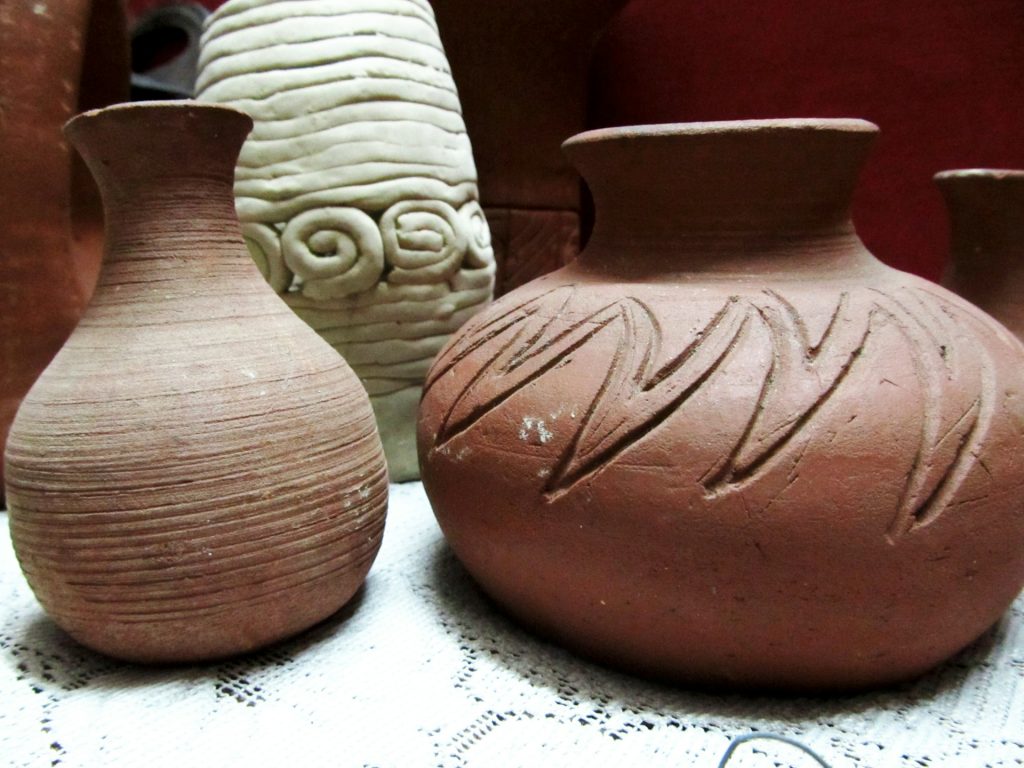
Painting terracotta pots is an easy way to personalize ordinary flower pots without needing a pottery wheel or a kiln. It’s a simple project, but understanding how terracotta behaves will make a big difference to the final result.
What Makes Terracotta Different?
Terracotta is a type of low-fired earthenware. Unlike glazed ceramics, it remains porous after firing, which is why it’s commonly used for plant pots. The clay absorbs moisture, allowing water to evaporate through the walls of the pot.
That same porosity affects paint. If you apply acrylic paint directly onto bare terracotta, the first coat often looks patchy because the clay absorbs both water and pigment.
Preparing the Pot
Start with a clean, dry pot. If it’s new, wipe away any dust with a damp cloth. If it’s been used before, wash off any soil or mineral deposits and let it dry completely.
Some people paint directly onto the clay, but applying a thin coat of acrylic primer or gesso makes painting much easier. It seals the surface, reduces paint absorption, and helps colours stay brighter.
If you like the natural colour of terracotta, there’s no need to cover the entire pot. Leaving areas of exposed clay often produces a more balanced design.
Choosing Paint
Acrylic paint is the easiest option. It bonds well to terracotta, dries quickly, and is available almost everywhere.
Use soft synthetic brushes for larger areas and a smaller round brush for details. Cheap brushes tend to leave visible streaks, so investing in a few decent ones is worthwhile.
Rather than applying one thick coat, build the colour gradually with two or three thin layers.
Simple Designs That Work
You don’t need advanced painting skills to make a pot look good.
Simple stripes, dots, checkerboard patterns, arches, or repeating lines are often more effective than complicated illustrations. Terracotta already has texture and character, so the decoration doesn’t need to compete with it.
If you’re painting several pots, limit yourself to three or four colours. A consistent palette helps the collection feel connected, even if each design is different.
Sealing the Surface
Once the paint has fully dried, apply a clear sealer.
A matte finish keeps the natural look of the clay, while satin or gloss offers more protection against moisture and dirt.
If the pot will be used for plants, seal only the outside. Leaving the inside uncoated allows the terracotta to continue regulating moisture naturally. Make sure the drainage hole stays open.
Expect Small Imperfections
One of the nicest things about decorating terracotta is that perfection isn’t the goal.
Brush marks, uneven edges, and slight variations in colour give the pot character. They’re part of the process, much like the throwing rings on a wheel-thrown bowl or the fingerprints left on handbuilt ceramics.
Every painted pot ends up slightly different, and that’s exactly what makes it feel handmade.

Hi, this is a comment.
To get started with moderating, editing, and deleting comments, please visit the Comments screen in the dashboard.
Commenter avatars come from Gravatar.